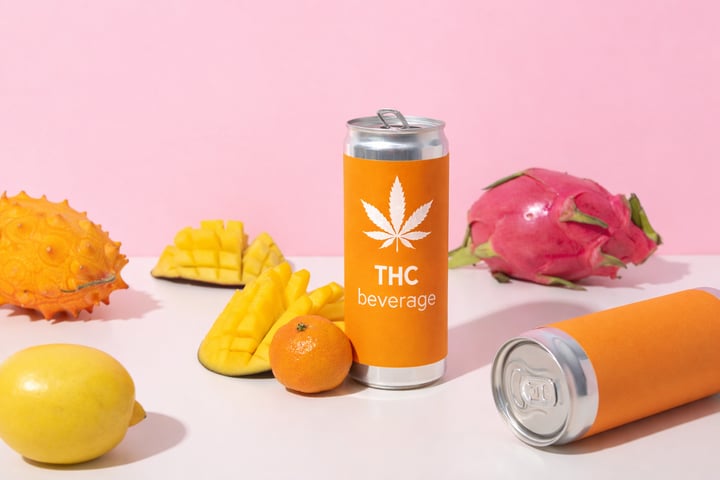
The THC beverage category is expanding rapidly, but brand power hasn’t kept pace. Shelves are crowded. SKUs are multiplying. Yet from a retailer’s perspective, very few brands have achieved meaningful, defensible recognition.
Jon Halper has a clear vantage point on this reality. As CEO and owner of Top 10 Liquors, a Minnesota-based retail chain that has become one of the earliest and most aggressive adopters of THC beverages, Halper evaluates the category daily from the buying side. His perspective is shaped less by brand storytelling and more by sales velocity, reorders, and customer behavior.
“unlike vodka where Tito's is dominant, unlike tequila where Casamigos or Patron or whatever are dominant, there is no THC brand today that matters. They all think they do. None of them matter. it's a hard thing to say, but the reality is nobody's been able to build that brand identity in a material way"
It’s not a dismissal of quality or effort. It’s an acknowledgment of how early the category still is.
Distribution Is Not Brand Equity
Many THC beverage brands treat distribution as a primary marker of success. Expansion into new states or new retailers is often celebrated as proof of momentum. From Halper’s perspective, however, presence alone does not create a brand.
“The win is not getting into my assortment, The win is a year from now getting constant reorders from me because you've succeeded in building the brand." Halper said.
What matters is what happens after the initial placement. Retail success is measured in repeat purchases, consistent velocity, and customer pull. Without those signals, distribution becomes shallow rather than durable.
Retailers Are Doing the Heavy Lifting
Unlike alcohol, where decades of national advertising have shaped consumer preferences, THC beverages lack a comparable marketing infrastructure. In practice, much of the brand building falls to retailers.
“It puts pressure on us as a retailer to build these brands,” Halper explained.
That work happens through staff education, shelf placement, in-store storytelling, and tastings. Retailers are often responsible for explaining not just what a product is, but how it fits into a customer’s life.
Experience Beats Claims
From Halper’s point of view, many THC brands sound interchangeable. Claims about ingredients, emulsions, and formulations blur together for consumers who are still learning the category.
What breaks through is experience.
“Live tastings… are crucially important,” Halper said. (00:48:06)
When customers taste a product and realize it doesn’t feel intimidating or unfamiliar, hesitation drops. Experience succeeds where explanation fails.
Why Focus Beats Scale
Halper is skeptical of brands that rush into dozens of markets without proving depth in any of them.
“Wouldn’t you be better off to be in 10 states and hitting it outta the park and then add 11 and solwing add number 12?” he asked.
Depth builds credibility. Velocity builds leverage. Brands that earn strong reorders in fewer markets are better positioned for long-term success than those spread thin across many.
In a category still defining itself, patience and focus may prove to be the most valuable advantages of all.
Listen to the Full Conversation
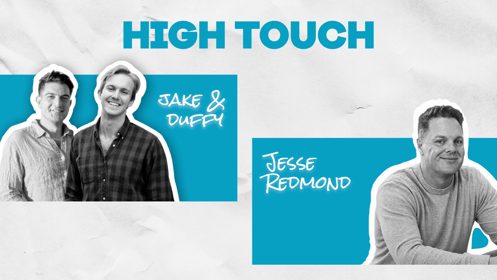
This article is drawn from a longer discussion with Jon Halper on the High Touch with Jake and Duffy podcast, where he shares his perspective on THC beverages, retail dynamics, and what it really takes to build a lasting brand.
Listen to the full episode to hear the complete conversation.