The rise of THC beverages isn’t just a retail story. It’s a cultural one. Behind the growth numbers and shelf expansions is a quieter shift in how adults want to relax, socialize, and feel the next morning.
Jon Halper has a front-row seat to that shift. As CEO of Top 10 Liquors, a Minnesota-based retailer that has expanded to 15 stores with a 16th planned, he watches purchasing behavior evolve in real time, not through surveys or trend reports, but through everyday interactions with customers. What he sees is not a rejection of alcohol, but a recalibration.
“I don’t look at us as a liquor store. I look at us as an adult beverage store,” Halper said.
That framing helps explain why THC beverages have found traction so quickly. They are not being introduced as a fringe product for a niche consumer. They are being positioned as part of the broader adult beverage landscape, right alongside beer, wine, and spirits.
A New Kind of Social Flexibility
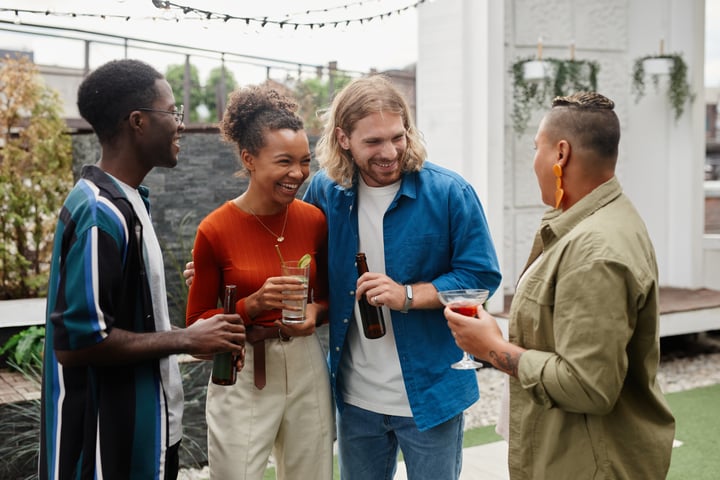
Unlike traditional edibles, THC beverages mirror alcohol’s rituals. They’re poured, sipped, shared, and paced. That familiarity matters. It reduces anxiety around dosage and creates a sense of control that many consumers never felt with cannabis before.
This shift is especially visible among people who still want a social experience but are no longer willing to accept poor sleep, next-day fatigue, or hangovers as the cost of participation. For them, THC beverages offer an alternative that feels additive rather than restrictive.
Halper believes this dynamic is key to understanding the category growth.
“This is introducing people to the category in a very different way that weren’t likely to be in it.”
The beverage format lowers the psychological barrier to entry, especially for consumers who would never consider smoking or traditional edibles.
Alcohol Fatigue Is Real
At the same time, consumer behavior is changing in ways that favor THC beverages. Alcohol consumption has been declining modestly across many demographics, driven by health awareness, economic pressure, and changes in lifestyle.
Halper points to another influence that is often overlooked.
“my personal perspective is that GLP-1 drugs are the most significant reason why, because they reduce your desire for cravings, whether it's food or alcohol or whatever. And so they evolve people's interaction with the category." he said, referring to appetite- and craving-suppressing medications that are reshaping consumption habits.
As cravings change, so do routines. THC beverages fit neatly into this moment, offering a controlled, low-dose option that aligns with lighter consumption overall.
Why Beverage Form Is Doing the Cultural Work
THC has existed for decades. What’s new is how it’s being delivered and how that delivery reshapes perception. Beverages don’t feel like drugs. They feel like choices.
For many consumers, the simple act of holding a can or bottle makes the experience feel familiar rather than foreign. That familiarity does more to normalize THC than branding or messaging ever could.
Halper sees this play out repeatedly as customers try the category for the first time and realize it fits more comfortably into their routines than expected.
Social Without the Side Effects
In Top 10 stores, THC beverages are rarely purchased in isolation. Most baskets include alcohol as well, suggesting experimentation rather than substitution.
But the role THC plays is distinct. It’s often chosen for specific moments such as winding down, improving sleep, or extending a social evening without escalating consumption.
This flexibility, choosing THC sometimes and alcohol other times, is what makes the category culturally durable.
A New Definition of “Adult Beverage”
Halper’s framing of Top 10 as an adult beverage store reflects a broader redefinition of what adult consumption looks like today. Alcohol no longer owns the entire social landscape. THC beverages aren’t trying to replace it, but they are quietly expanding the menu of acceptable choices.
In doing so, they are reshaping not just retail shelves, but expectations around moderation, control, and participation.
Listen to the Full Conversation
This article draws from a longer conversation with Jon Halper on the High Touch with Jake and Duffy podcast, where he discusses THC beverages, retail strategy, regulation, and the evolving definition of adult consumption.